
Oral health is a fundamental part of overall health and yet, for many, the cost of dental care can feel like a barrier. The Canadian Dental Care Plan (CDCP) is a major step by the Canadian federal government to change that. If you’re eligible, it could mean more affordable, accessible dental care without insurance.
In this article, we’ll walk you through the CDCP in depth what it is, who qualifies, how to apply, what it covers, what it costs, and why it matters. So whether you’re a Canadian resident with limited dental coverage or just want to understand the new landscape, we’ve got you.
Read more Top-Rated Family Dentist in Grimsby, Ontario: Trusted and Modern Care for All Ages
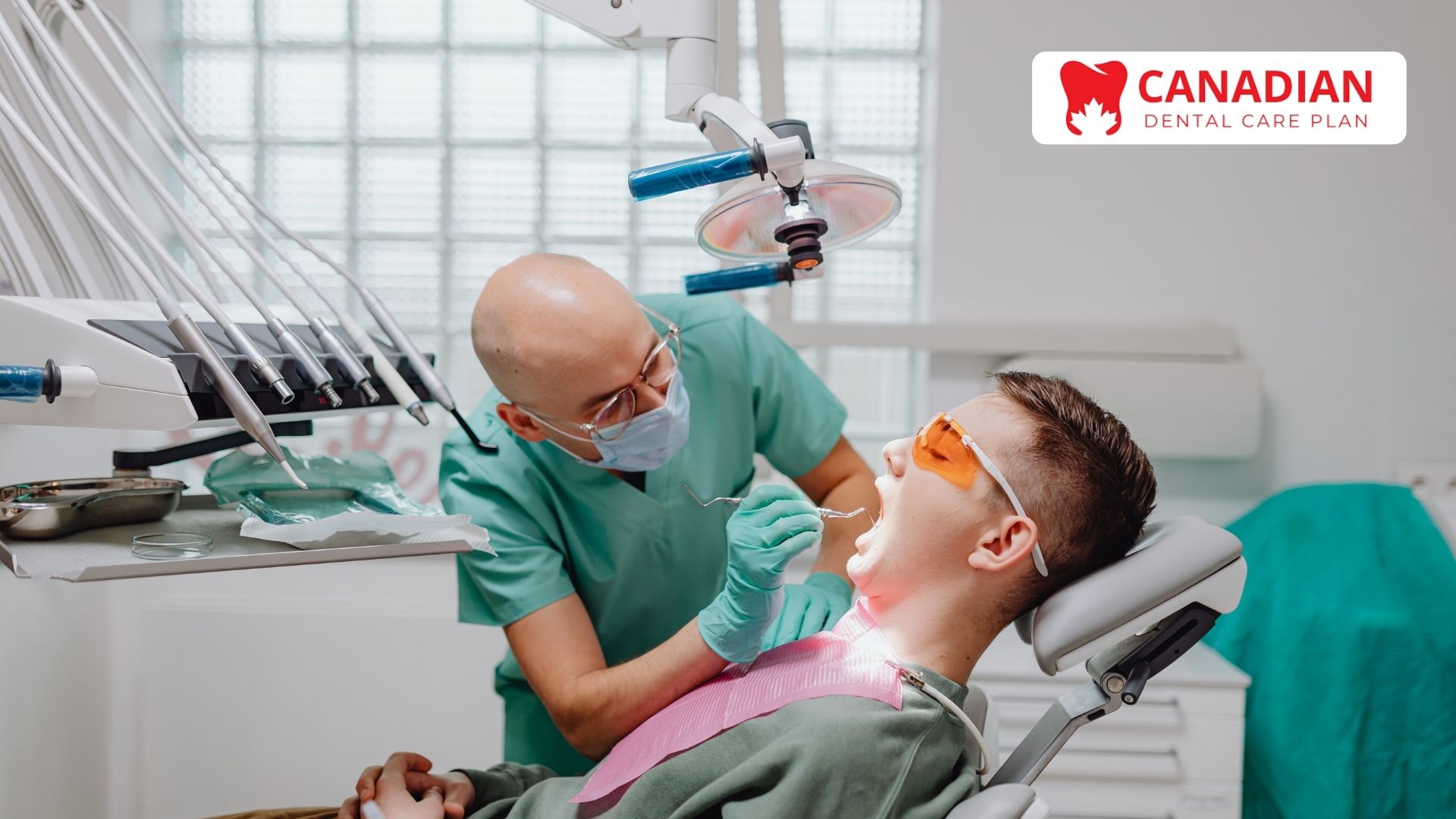
What is the Canadian Dental Care Plan (CDCP)?
The CDCP is a federal-government dental benefit program designed to reduce financial barriers to oral health care for Canadian residents who do not have private dental coverage and whose adjusted family net income is under a set threshold. Rather than being a full replacement of private insurance, it serves as a safety net for those lacking coverage.
Why does it matter? Because dental care has often been treated separately from universal health coverage in Canada, many people have deferred needed treatment due to cost. The CDCP aims to change that dynamic.
Who is eligible for the CDCP?
Eligibility is based on several criteria, each of which matters. First, you must be a Canadian resident for tax purposes, and you must have filed your tax return in the previous year. You must have no access to private dental insurance, that means you’re not covered by an employer, pension plan or group dental benefits. And your adjusted family net income must be under the threshold of $90,000 CAD per year.
There are also phased eligibility groups: initially children under 18, seniors aged 65 and over, and adults with a valid federal Disability Tax Credit certificate were eligible as rollout phases. Canadian Dental Association
What this means for you: if you’re uninsured, earning under $90,000 (for you and your family combined), and you meet the residency and tax-filing criteria, you may be eligible for coverage under CDCP. It’s wise to check the official site for your age-group, province and the current phase of the program.
Dentistry at Waterview is proud to accept the Canadian Dental Care Plan (CDCP). We welcome eligible patients and are fully equipped to provide comprehensive dental care under the CDCP program. If you qualify, our team will help you understand your coverage, guide you through the process, and ensure you receive high-quality dental treatment with clarity and comfort.
How to apply for the CDCP
Applying for the CDCP is a straightforward process, but there are key steps to follow so you don’t miss out. First, check if you qualify using the eligibility criteria above. Next, you’ll need to apply through the Government of Canada portal, or follow the instructions sent to you if you received a letter. After you apply, you will receive a welcome package (card, coverage start date, etc.).
Important tip: Don’t book dental work under the CDCP until your coverage start date—appointments before that won’t be eligible.
Another practical tip: choose a dentist who accepts CDCP billing like Dentistry at Waterview. Ask them ahead of time if they are registered and will directly bill the CDCP (administered by providers such as Sun Life Financial).
At our clinic at Dentistry at Waterview we can help you verify if your benefits apply, and guide you through the process and what services you might receive under CDCP. Book your visit now, and we’ll walk you through it.
👉 Schedule your appointment at Dentistry at Waterview
What services are covered under the CDCP?
One of the most important questions to answer is: what dental treatments does the CDCP cover? The plan covers a wide range of services— preventive, diagnostic, restorative, endodontic, periodontal, prosthodontic, and oral-surgery services.
For example:
-
Preventive and diagnostic: dental exams, x-rays, cleaning (scaling), fluoride applications and sealants.
-
Restorative: fillings (temporary and permanent), pain control for diseased teeth, treatments for cavities.
-
Endodontic: root canals, pulpectomies, re-treatments (with pre-authorization).
-
Periodontal: treatments under the gumline, abscess treatment, non-surgical gum disease management.
-
Prosthodontic / Major services: crowns, dentures, repairs, partial dentures (pre-authorization required for some).
What it doesn’t cover (yet) or has limitations: orthodontics (braces, etc.) are not yet broadly covered except under strict criteria, and cosmetic dentistry (teeth whitening, veneers) are generally excluded.
For you as a patient, this means: the CDCP can help address many common dental needs, especially if cost has been a barrier. If you’ve been avoiding the dentist because of cost or coverage, it might be a game-changer.
How much will the CDCP cost you (or how much will they cover)?
Coverage under the CDCP depends in part on your adjusted family net income. The lower your income, the higher the percentage of eligible services the plan will cover (and the lower your out-of-pocket portion). For example:
-
If your adjusted family net income is under $70,000, the CDCP may cover 100% of eligible fees at the CDCP established rate.
-
If your income is between $70,000 and $79,999, CDCP covers about 60%, you cover about 40%.
-
If your income is between $80,000 and $89,999, CDCP covers about 40%, you cover 60%.
Two important caveats for you:
-
“CDCP established fees” may be lower than what your dentist charges. If the dentist’s usual fee is higher, you may pay the difference.
-
Some services require pre-authorization, and the coverage may vary based on your location, dentist, and service.
At Dentistry at Waterview we’ll help you understand what your expected out-of-pocket cost might be, based on your situation and your coverage status. Schedule a consultation today, and we’ll clarify everything for you.👉 Book your appointment
Why the CDCP matters for you (and for public health)
From a patient’s perspective, the CDCP brings real benefits: it reduces the financial barrier to getting dental care, which means you’re less likely to delay or skip needed treatments, and that in turn helps prevent worsened problems, pain, extra cost and complexity. Early preventive care saves time, money and discomfort.
From a health-systems perspective, dental problems that go untreated can lead to emergency-room visits, infections and larger downstream costs. For example, research has shown that people without dental coverage are more likely to have serious oral-health issues. The CDCP is part of a strategy to close that gap.
For you, that means: if you fit the eligibility, it’s time to take advantage of the opportunity—because better oral health translates into better general health, a brighter smile and less worry about cost.
Things to keep in mind (tips & considerations)
-
Verify your dentist’s participation. Ask your dental clinic if they are set up to direct-bill the CDCP and accept its fee schedule.
-
Check your coverage start date. Even after approval you may need to wait until your official start date before services are eligible.
-
Bring necessary documents. Tax return, proof of residency, coverage letter or card.
-
Ask about pre-authorization. For certain major treatments (crowns, implants, deep sedation) pre-approval may be required under the CDCP.
-
Understand out-of-pocket costs. If your dentist charges more than CDCP rates, you may be responsible for the difference.
-
Consider your provincial/territorial plan. The CDCP is federal; your province may have additional dental support programs. Coordinating benefits can matter.
-
Don’t wait for a crisis. If you’ve been putting off dental care due to cost, this is a moment to act. Use the CDCP to access preventive care before problems escalate.

Final Thoughts
The Canadian Dental Care Plan (CDCP) represents a significant shift in dental coverage for Canadians who’ve felt the burden of dental costs. If you meet the eligibility criteria, this is a valuable opportunity to access needed dental care with reduced financial stress. Knowing what the plan is, who qualifies, how to apply, what’s covered, and what you might expect to pay empowers you to make informed decisions about your oral health. At Dentistry at Waterview, we’re here to guide you, support you and ensure your experience is clear, comfortable and focused on your well-being.
If you’re ready to take the next step, don’t wait. Book your visit today at Dentistry at Waterview, use your benefits wisely, and let’s work together toward a healthier smile and better oral health.
Frequently Asked Questions (FAQ)
Here are answers to common questions people ask—gathered from Google’s “People Also Asked”, Reddit discussions, Quora threads and other forums.
-
What is the Canadian Dental Care Plan (CDCP)?
The CDCP is a federal program in Canada designed to make dental care more affordable for eligible residents who don’t have private dental insurance. It covers a range of dental services and helps reduce out-of-pocket costs. -
Who qualifies for the CDCP?
You must be a Canadian resident for tax purposes, have filed your taxes, have no private dental insurance coverage, and have an adjusted family net income under about $90,000. Some age groups (children under 18, seniors over 65, and adults with a disability) have been prioritized in rollout. -
What dental services are covered under the CDCP?
Services include preventive care (exams, cleanings), restorative care (fillings, root canals), periodontal treatments, dentures and oral surgery. Some major services require pre-authorization. -
How much will I pay under the CDCP?
It depends on your household’s adjusted net income. If under ~$70,000, you may get 100% of eligible fees covered. Higher tiers will cover a lower percentage, meaning you pay part of the cost. Also note, if your dentist charges more than the CDCP’s set fee schedule, you may owe the difference. -
Can I choose any dentist under CDCP?
You can, but your dentist must accept the CDCP billing and participate in the program. Always ask ahead of booking whether they are CDCP-approved and whether they bill directly. -
Does CDCP cover cosmetic treatments like teeth whitening or orthodontics?
Generally no. Cosmetic services aren’t covered under CDCP except under very limited medically necessary situations. Orthodontic coverage is not fully rolled out yet. -
What should I do if I’m eligible and have been avoiding the dentist due to cost?
If you qualify, apply for the CDCP, confirm your start date and then book an appointment with a participating dentist. It’s wise to act before issues worsen—prevention and early treatment are always better. At our clinic, we’re ready to help you through the process and ensure you understand your options. Schedule your visit now.