
As parents and caregivers, we all want our children to grow healthy, strong, and confident, that includes their smiles. The good news? You don’t have to give up tasty treats altogether. What you can do is choose snacks that are both delicious and supportive of dental health. At Dentistry at Waterview, we believe good oral hygiene begins at home and that includes wise snacking.
In this article we’ll share what dentists recommend for kid-friendly, teeth-friendly snacks, why these choices matter, what to limit, and how you can keep snack time fun but safe for little smiles.
Read more about 10 Dental Terms You Should Know Before Your Next Dentist Visit
Why Smart Snacking Matters for Dental Health
Each time kids snack, their teeth and gums are exposed to food and drink residue which can feed the bacteria that cause cavities. According to dental experts, crunchy, low-sugar, nutrient-rich foods help stimulate saliva, neutralise acids and clean tooth surfaces naturally. When we choose snacks that support this natural process, we help prevent early decay, build strong enamel and set the stage for lifelong oral health.
Take this for example: a crunchy apple slice doubles as a snack and as a gentle cleaner for teeth, while string cheese gives calcium and encourages chewing that raises saliva production. On the flip side, frequent snacking on sugary, sticky foods or soft processed items gives bacteria more fuel, more acid attacks and more risk of decay.
With simple changes and conscious choices, snack time becomes an opportunity, not a risk.
What Healthy Snacks Look Like
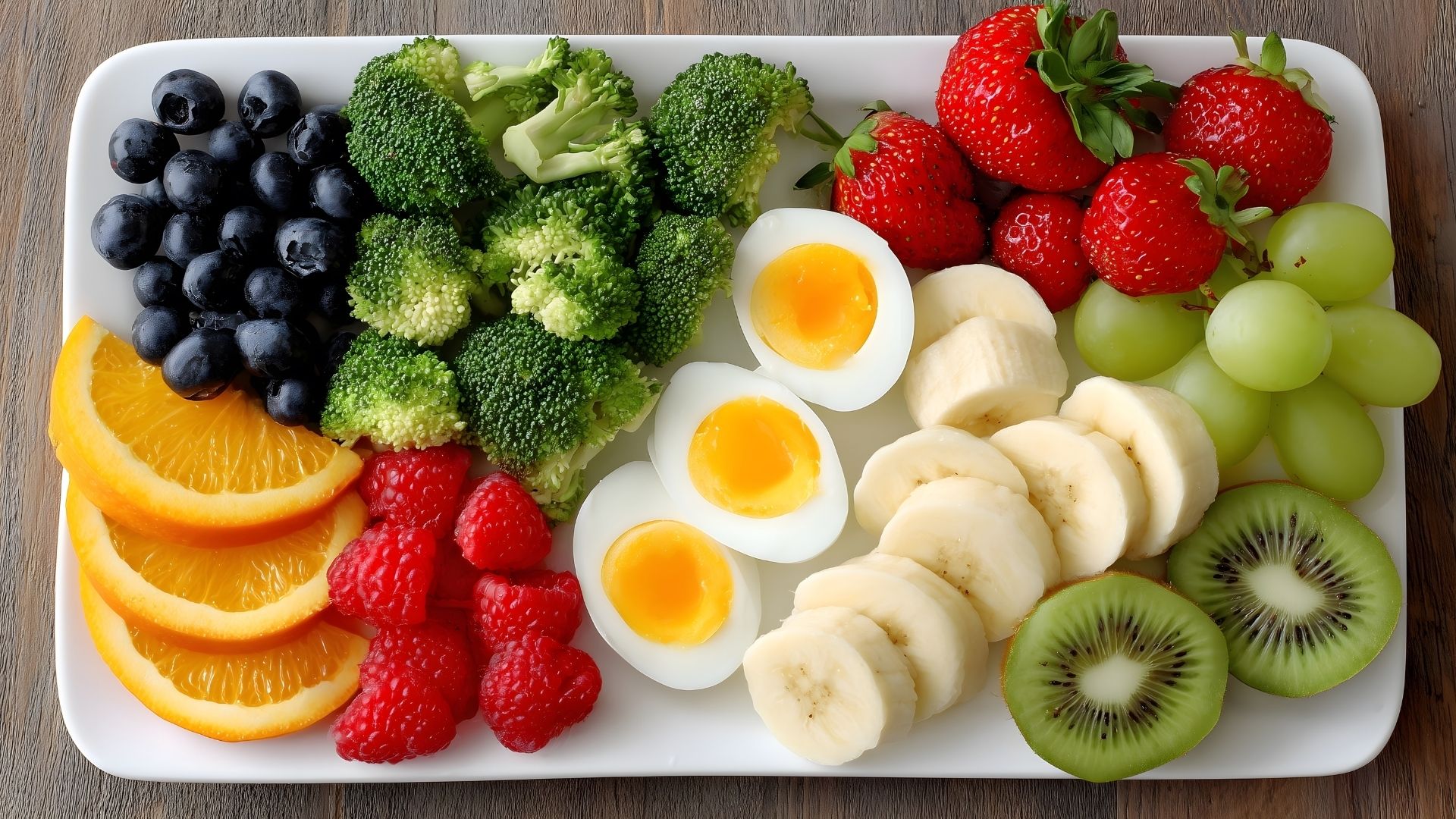
When we talk about “healthy snacks for dental kids,” here are some of the top options:
- Fresh crunchy fruits and vegetables: Slices of apple, pear, carrot sticks, celery — these crunches help scrub tooth surfaces while offering vitamins and fibre. The natural texture helps remove debris and stimulate saliva.
- Dairy-rich snacks: Cheese cubes, plain yogurt (unsweetened or low sugar), or a glass of milk are excellent because they provide calcium and phosphate — essential for strong enamel. Cheese also raises saliva pH which reduces acid attack.
- Protein & wholesome snacks: Think boiled eggs, almonds (if allergy-safe), seeds, natural nut butter on apple slices or whole-grain toast. These supply nutrients and avoid spikes of sugar.
- Whole-grain pairings: Whole-grain crackers or toast with hummus, nut butter or cheese. These provide fibre and are less likely to stick to teeth than refined starch snacks.
- Water as a snack partner: Encouraging children to drink water, especially after snacking, helps rinse away food particles and maintain oral health. Fluoridated water adds even more benefit.
Why These Snacks Benefit Your Child’s Dental Health
Every snack can either support or challenge your child’s dental environment. Here’s how these recommended snacks help:
Cleaner surfaces: Crunchy fruits and vegetables help physically remove bits of food and plaque from teeth surfaces, reducing bacterial fuel.
Better saliva production: Chewing harder foods (like cheese cubes or raw carrots) promotes saliva flow, which neutralises acids and helps remineralisation.
Stronger enamel: Dairy and nutrient-rich snacks provide calcium and phosphates essential for enamel strength; plus they help buffer acid.
Reduced sugar exposure: Snacks that avoid added or hidden sugars reduce the fuel for acid-producing bacteria — that means fewer acid attacks.
Longer rest for teeth: When snacking is thoughtful, you allow more “rest” time for teeth between acid exposures. Frequent grazing is one of the key risk factors for decay.
Better overall nutrition: Strong teeth grow from strong bodies. When snack time contributes to overall nutrition — not just sugar — children are healthier and more resilient.
At Dentistry at Waterview, we emphasise that snack choices are part of the larger picture: along with twice-daily brushing, flossing and regular dental visits, your snacks help set the tone for lifelong oral health.
Snacks to Limit or Avoid
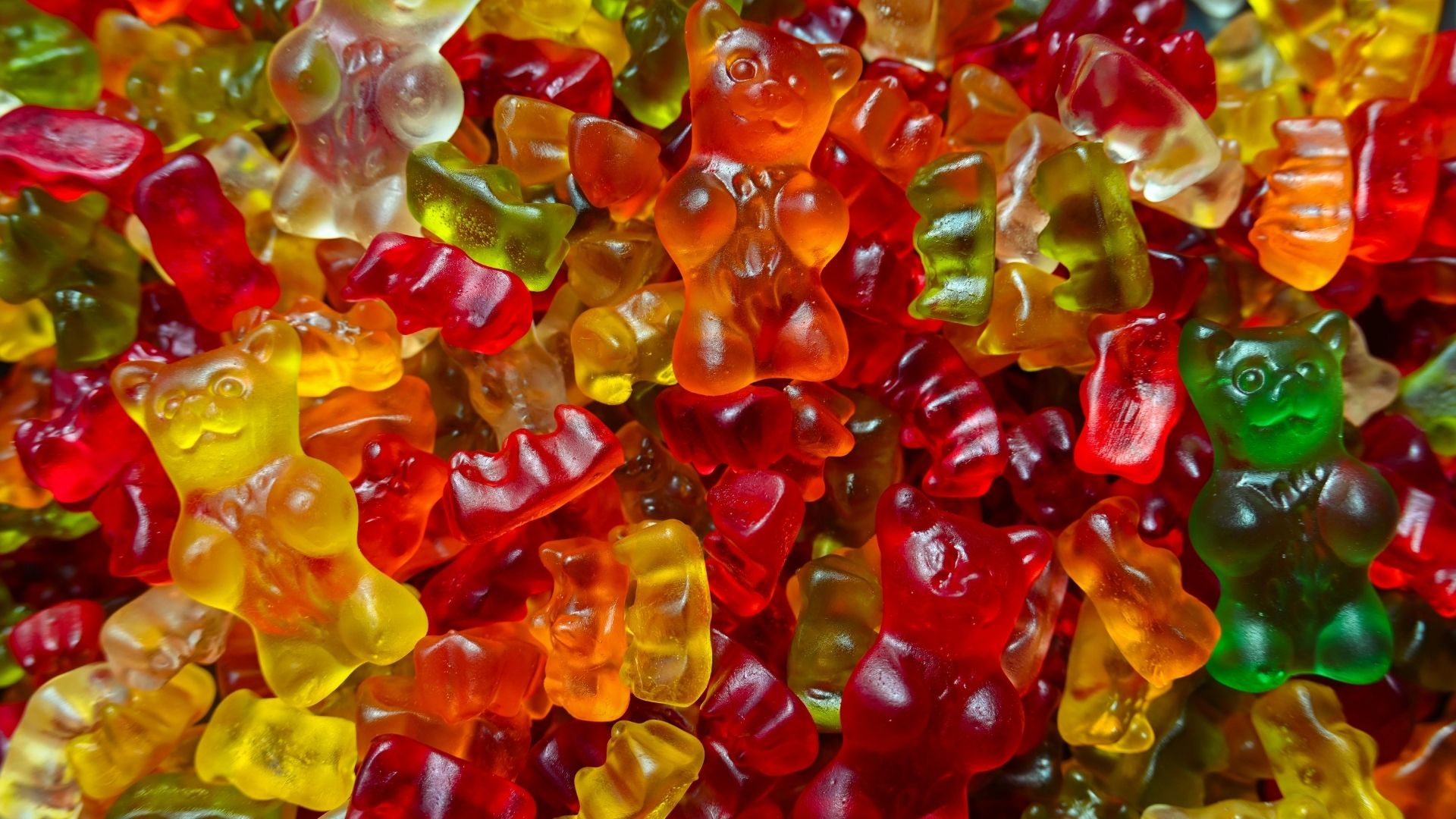
Even though many snacks look harmless, when it comes to dental health they might carry hidden risk. Here are some categories to use sparingly:
Sticky and gummy sweets: These cling to teeth and hang around longer, giving bacteria extended access to sugar.
Frequent snacking on refined carbohydrates or sugary drinks: The more often kids snack, the more often the teeth face acid attacks. Frequent grazing = greater risk.
Soft processed starches (crackers, pretzels, chips) that break down to sugars: Even if they don’t taste sweet, they can feed bacterial acid production.
High-sugar yoghurts or sweetened dairy treats: Not all yogurts are equal; hidden sugars matter. Choose plain or low sugar versions.
By limiting these types of snacks and making the healthier ones easily accessible you give your child’s teeth a stronger chance at thriving.
How to Make Healthy Snacking Fun and Easy
Kids love snacks and parents can make snack time both fun and tooth-friendly. Here are some ways to make it happen:
Involve kids in preparation: Let them build their snack e.g., apple slices + nut butter, cheese cubes on whole-grain crackers, veggie sticks with hummus. When kids help prepare it, they’re more likely to choose it.
Keep healthy items visible and accessible: A clear container of carrot sticks in the fridge, cheese cubes in the snack drawer, plain yogurt at the front of the shelf. Convenience is key.
Use interesting textures and shapes: Crunchy, colorful veggies; shaped fruits; layered yogurt parfaits — make it fun and appealing.
Make healthy versions of treat snacks: For instance, homemade trail mix with unsweetened nuts/seeds, plain yogurt with berry topping, or whole-grain toast “mini-pizzas” with cheese and veggie toppings.
Set snack times rather than constant grazing: Try to limit snacking to maybe 2-3 times a day (after school, mid-morning, or pre-bed routine) rather than frequent snacking. This gives teeth time between exposures. Define Dental |
Encourage water after snack time: A sip of water helps rinse away leftover food, neutralise acids and maintain fresh breath.
Pair snack time with positive habits: “After you finish your snack, we’ll brush/floss together,” or “Let’s talk about your next dental check-up.” Making it part of the routine reinforces good habits.
Role of Your Dentist and Regular Visits
Choosing the right snacks is an important piece of the puzzle, but it works best in combination with regular dental care. At Dentistry at Waterview, we emphasise a comprehensive approach:
Dental check-ups: Regular exams allow us to spot early signs of decay, enamel wear or diet-related issues before they become major.
Audience-specific advice: Because kids have different needs than adults (mixed dentition, varying enamel strength, growth factors), we tailor our guidance accordingly.
Professional cleaning: Even with good snacking, plaque can still accumulate; dental cleanings help remove hardened deposits and polish surfaces that may attract bacteria.
Parental-education: We work with you to set up snack routines, at-home habits and encourage healthier selections.
Early intervention: If snack habits or dental signs suggest risk, intervention early means fewer long-term problems.
👉 Book your child’s visit at Dentistry at Waterview today to combine great snacks with great dental care!
Why Choose Dentistry at Waterview for Your Child’s Dental Care
When it comes to your child’s smile, you deserve a dental team that’s experienced, gentle, and equipped with the latest technology. Dentistry at Waterview is one of Grimsby’s most trusted clinics for families known for combining expertise with genuine care in a welcoming, child-friendly environment. Here’s why parents choose us:
- Experienced Dentists – Years of hands-on expertise in children’s and family dentistry.
- Advanced Technology – 3D CBCT imaging, digital X-rays, and guided procedures for safe, accurate care.
- Personalized Approach – Every visit tailored to your child’s comfort, health, and smile goals.
- Convenient Location – Easily accessible in Grimsby with flexible scheduling for busy families.
- Comprehensive Services – From preventive care and children’s dentistry to cosmetic, implant, and emergency treatments — all under one roof.
✨ Ready to give your child a healthy, confident smile? Book your consultation today at Dentistry at Waterview and let our friendly team make dental visits something your child looks forward to.
Putting It All Together
Healthy snacking for kids isn’t about perfection, it’s about making better choices more often. By selecting snacks that are crunchy, nutrient-rich, low in added sugar, and paired with water and regular dental check-ups, you’re giving your child’s smile a strong foundation.
Snacks like apple slices with nut butter, cheese cubes, yogurt parfaits with fresh berries, carrot sticks with hummus, and whole-grain crackers with cheese are winners. Meanwhile, aim to limit candies, gummy sweets, frequent grazing on processed snacks, and sugary drinks. Education matters, the more your child understands “why” a snack is good, the more likely they are to choose it.
Frequently Asked Questions About Healthy Snack For Kids
What snacks are best to support kids’ dental health?
Choose fresh crunchy fruits and vegetables, dairy products like cheese and plain yogurt, nuts/seeds (if safe), whole-grain options and water. These provide nutrients, stimulate saliva and minimise cavity risk.Can kids snack and still avoid cavities?
Yes — with the right choices and habits. Snacking between meals is possible if you pick low-sugar, tooth-friendly snacks, manage frequency and follow with good oral hygiene. Frequent sugary or sticky snacking increases risk.What snacks should we avoid or limit for dental health?
Limit sticky candies, gummy sweets, high-sugar snacks, soft processed starches that break down to sugar, frequent snacking, and be cautious even with “healthy” snacks that have hidden sugar.How often should kids snack to protect their teeth?
It’s best to limit snacking to 2–3 times a day (besides meals) so the teeth have time to recover from acid attacks. Constant grazing means continuous risk.Is plain yogurt better than flavored yogurt for teeth?
Generally yes — plain or unsweetened yogurt avoids added sugars that feed bacteria. You can add fresh fruit or a small drizzle of honey if needed (depending on age).How do snacks actually affect my child’s teeth?
Snacks influence the oral environment: what your child eats affects bacterial fuel, acid production, saliva flow and enamel strength. Good snacks support beneficial factors; bad ones feed decay.When should I bring my child to the dentist if I’m changing their snack habits?
It’s a great idea to book a dental check-up whenever you change diet or habits. At Dentistry at Waterview, we recommend visits every six months (or sooner if high risk) to monitor progress, check for early signs and reinforce good routines.