
Walking into a dental appointment can sometimes feel like stepping into a different language. Words like occlusion, abutment, prophylaxis, or caries might fly past you, leaving you nodding but not really understanding. At Dentistry at Waterview, we believe that part of providing great care is making sure you understand what’s going on.
By knowing key dental terms ahead of time, you can ask smarter questions, feel less anxious, and become an active partner in your own oral-health journey. Let’s explore ten dental terms you’ll commonly encounter, with plain-language definitions, why they matter, and how knowing them helps you.
Read more Dental Sedation Explained: The Complete Guide to Sleep Dental
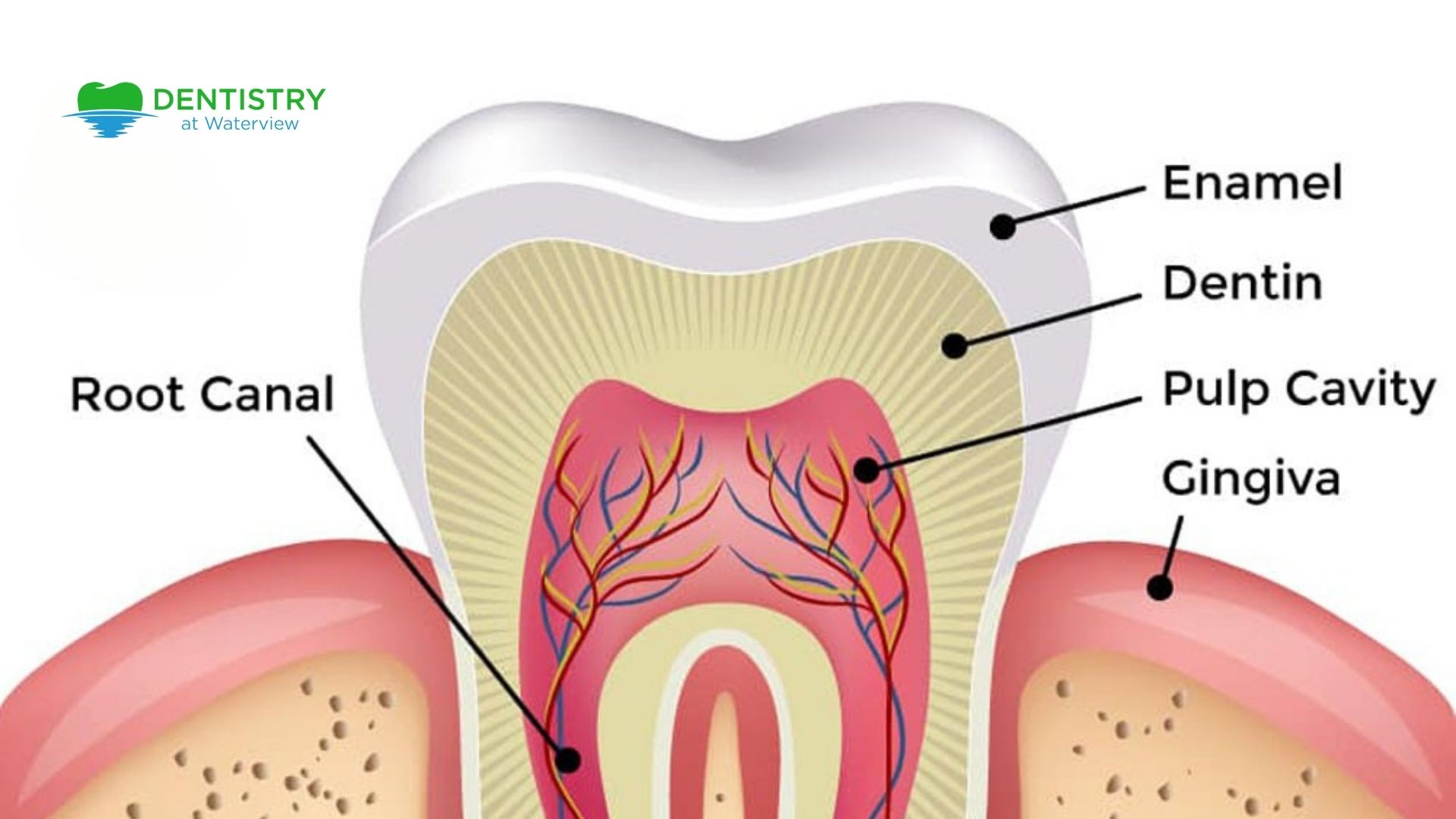
Common Dental Terms You Must Know Before Visiting Your Dentist
1. Enamel
Enamel is the strong outer surface that covers the visible part of your tooth. It acts as a protective shield against chewing forces, temperature changes, and bacteria. When you understand what enamel does, you also understand why your dentist emphasizes brushing with fluoride toothpaste and avoiding sugary snacks. Strong enamel keeps sensitivity away and reduces your risk of cavities, helping you maintain a healthier smile for the long term.
2. Dentin
Dentin lies underneath the enamel and contains tiny tubules that lead directly to the tooth’s nerve. When enamel wears down, the dentin becomes exposed, causing sensitivity to cold, hot, or sweet foods. Knowing what dentin is empowers you as a patient — it helps you understand why your dentist may recommend treatments like bonding, fluoride varnish, or restorations to protect the dentin and ease discomfort.
3. Cavity (Dental Carie)
A cavity forms when bacteria create acids that break down enamel and dentin, leading to a hole or soft spot in the tooth structure. When you hear your dentist talk about a cavity, it simply means decay has started and needs to be repaired to prevent deeper damage. Understanding this term makes it easier to appreciate the value of early detection — the sooner a cavity is treated, the smaller the filling and the lower the cost.
4. Plaque and Tartar
Plaque is a soft, sticky film of bacteria that forms on your teeth every day. If it isn’t removed regularly, it hardens into tartar, which cannot be cleaned with a toothbrush and requires professional removal. Recognizing the difference helps patients understand why consistent brushing and routine dental cleanings are essential. By controlling plaque before it becomes tartar, you minimize the risk of gum inflammation, bleeding, and periodontal disease.
5. Gingivitis and Periodontal Disease
Gingivitis is the earliest stage of gum disease, where the gums look red, swollen, or bleed easily. If left untreated, it can progress into periodontal disease — a more serious condition where the supporting bone around your teeth starts to break down. Knowing these terms helps you take gum health seriously. Patients who understand the signs are more likely to seek early treatment, keep their gums healthy, and avoid tooth loss.
6. Crown and Bridge
A crown is a custom-made cover placed over a damaged or weakened tooth, giving it strength and restoring its natural appearance. A bridge, on the other hand, replaces one or more missing teeth by anchoring onto neighboring teeth or implants. Understanding these terms helps patients feel more confident in discussing treatment options. When you know what crowns and bridges are, you can make informed choices about restoring function, comfort, and aesthetics.
7. Occlusion
Occlusion refers to how your upper and lower teeth meet when you bite or chew. A balanced bite helps protect your teeth, jaw joints, and muscles, while an imbalanced bite can lead to grinding, headaches, or chipped teeth. When you know what occlusion means, you can better understand why your dentist may recommend adjustments, night guards, or orthodontic options to improve comfort and long-term oral health.
8. Bruxism
Bruxism is the habit of grinding or clenching your teeth, often during sleep. Over time, this pressure can wear down enamel, cause sensitivity, or lead to jaw pain. Understanding the term helps patients recognize the importance of early intervention, such as a night guard. With proper protection, you can prevent fractures, reduce discomfort, and preserve the lifespan of your natural teeth and restorations.
9. Implant and Abutment
A dental implant is a small titanium post placed into the jawbone to act as a replacement for a missing tooth root. Once the implant heals, an abutment is attached — serving as the connector between the implant and the final crown. Knowing these terms gives patients clarity about the implant process. When you understand each stage, the procedure feels less intimidating and you can confidently choose implants as a long-lasting solution for missing teeth.
10. Prophylaxis
Prophylaxis is the clinical term for a professional dental cleaning, performed to remove plaque, tartar, and stains. This preventive treatment helps keep gums healthy and reduces the risk of cavities. Patients who understand what a prophylaxis appointment includes are more motivated to schedule regular cleanings, making it easier to maintain good oral health and avoid more complex procedures in the future.
In Summary
You don’t need to become a dental expert overnight, but having a working familiarity with core dental terms like enamel, cavity, occlusion, implant, and prophylaxis transforms your next dental visit. The language becomes less intimidating, your role becomes more active, and your comfort level goes up. At Dentistry at Waterview, our team is here to guide you through every term, every procedure and every question with clarity, care and respect for your health.
If you’re due for a check-up or are considering a treatment and want to walk in informed and confident, book your next visit at Dentistry at Waterview today. Let’s make your smile journey clear, comfortable and empowered.
Frequently Asked Questions About Dental
-
What does “abutment” mean in dental treatments?
An abutment is the connector used when placing an implant-supported restoration. After the implant is placed in the jawbone, the abutment links the implant to the crown or bridge that sits above the gumline. -
Is “prophylaxis” just another word for cleaning?
Yes—when your dentist mentions prophylaxis they’re referring to a professional cleaning to remove plaque, tartar, and help prevent gum disease and decay. -
What’s the difference between an inlay, an onlay and a crown?
An inlay fills between the cusps of a tooth; an onlay covers one or more cusps but less than a full crown; a crown covers the entire visible portion of a damaged tooth. -
If my dentist mentions “occlusion,” what should I ask?
You might ask: “Is my bite functioning normally? Could this affect my treatment or comfort?” Knowing occlusion helps ensure long-term success of restorations. -
Why is the difference between plaque vs. tartar important?
Because plaque is removable by brushing/flossing, while tartar must be removed professionally. Knowing this explains why you need both good home care and regular professional visits. -
Is bruxism something I should worry about?
Yes. If you grind or clench your teeth (especially at night), you may damage your enamel, fracture teeth or restorations, or strain your jaw. Ask your dentist about night guards or other interventions. -
What should I do if I hear a term during my visit that I don’t understand?
Don’t hesitate to pause and ask your dentist or hygienist to clarify. At Dentistry at Waterview, we encourage questions—because when you’re informed, you feel more comfortable and engaged in your care.