
For many people, visiting the dentist can bring feelings of stress or fear. Whether it’s the sound of dental tools, the bright lights, or simply the idea of discomfort, dental anxiety is common. Thankfully, modern dentistry has developed solutions to help patients stay calm and comfortable, one of the most effective being Dental Sedation, also known as Sleep Dental.
This comprehensive guide explains what dental sedation is, the types available, who it benefits, the safety measures involved, and what you can expect during the process.
Read more Cosmetic Dentistry Explained: Bonding, Veneers, Crowns & More
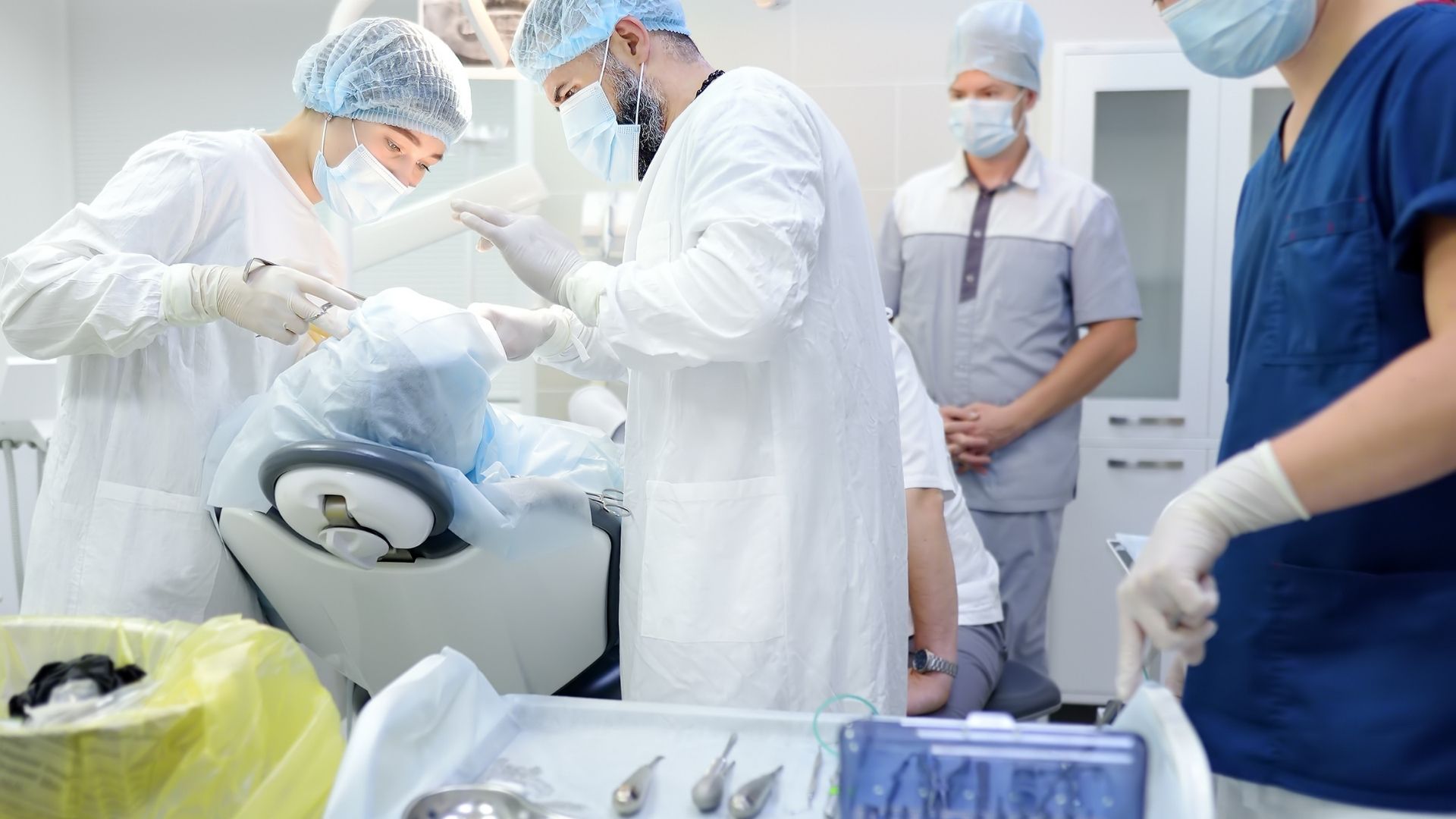
What Is Dental Sedation?
Dental sedation, or sleep dentistry, is the controlled use of medication to help patients relax during dental procedures. The goal isn’t always to make you fall asleep (though some deeper forms may), but rather to make you feel calm and comfortable while the dentist works.
Depending on the type and dosage, sedation can range from mild relaxation to a deeper, semi-conscious state. It helps you remain still and relaxed while the dentist performs necessary treatments efficiently and safely.
Sedation dentistry is particularly useful for people who experience:
-
Fear of dental visits
-
Sensitivity to pain or noise
-
Difficulty staying still for long procedures
-
Strong gag reflex
-
Need for complex or multiple treatments in one visit
Why People Choose Sleep Dental
Dental anxiety affects up to 36% of the population, and around 12% suffer from severe dental phobia, according to research published in the Journal of Dental Research. For these individuals, even simple cleanings can cause significant stress.
Sleep dental provides an option for those who might otherwise avoid care altogether. With sedation, patients can:
-
Relax completely during their appointment.
-
Undergo multiple treatments in a single visit, reducing overall time spent at the clinic.
-
Have little to no memory of the procedure, eliminating traumatic associations.
-
Experience fewer appointments and better outcomes, since dentists can work more efficiently when patients are comfortable.
Ultimately, dental sedation transforms an anxious experience into a manageable—and often pleasant—one.
Types of Dental Sedation
There are four primary types of sedation used in dentistry, varying in strength and method of delivery. Understanding each helps patients make informed choices.
1. Nitrous Oxide (Laughing Gas)
This is the mildest and most common form of sedation. You breathe in a mixture of nitrous oxide and oxygen through a small mask placed over your nose. Within minutes, you feel relaxed, light, and slightly euphoric.
Advantages:
-
Takes effect quickly and wears off just as fast.
-
You remain awake and can respond to instructions.
-
You can usually drive yourself home afterward.
2. Oral Sedation
Taken in pill form before the appointment, oral sedation provides a moderate level of relaxation. You’ll stay awake but may feel drowsy and remember little of the procedure.
Common medications include diazepam, lorazepam, or triazolam, prescribed in precise doses for safety.
Advantages:
-
Easy to administer (just a pill).
-
Works well for mild to moderate anxiety.
-
Affordable compared to IV sedation.
Note: You’ll need someone to drive you home afterward.
3. IV Sedation (Intravenous Sedation)
This form delivers sedatives directly into your bloodstream, allowing your dentist to adjust the depth of sedation throughout the procedure.
Advantages:
-
Rapid onset and adjustable levels of sedation.
-
Ideal for long or complex dental procedures.
-
Patients often have no memory of the procedure.
Because of its intensity, IV sedation requires special training and monitoring equipment to ensure your safety.
4. General Anaesthesia
Used primarily in hospital settings or for surgical procedures, general anaesthesia renders you completely unconscious. This is not typical for general dentistry but may be necessary for extensive oral surgeries or patients with specific medical needs.
Levels of Sedation Explained
Sedation dentistry isn’t one-size-fits-all. It’s a spectrum ranging from light to deep:
| Level | Description | Awareness |
|---|---|---|
| Minimal Sedation | You’re awake but calm. | Fully aware. |
| Moderate Sedation | You may slur words and not remember much. | Partially aware. |
| Deep Sedation | You’re on the edge of sleep but can be awakened. | Limited awareness. |
| General Anaesthesia | You’re completely unconscious. | No awareness. |
Each level is tailored to your comfort, procedure type, and medical history.
Who Can Benefit from Dental Sedation?
Sedation dentistry isn’t limited to those with severe anxiety—it’s beneficial for a wide range of patients:
-
People with Dental Phobia
If you’ve avoided dental visits for years because of fear, sedation can help you receive care comfortably. -
Patients Needing Lengthy or Complex Work
Root canals, implants, and full smile restorations can take time. Sedation allows longer procedures in fewer visits. -
Those with a Strong Gag Reflex
Sedation reduces reflex sensitivity, allowing easier access to your mouth. -
Individuals with Low Pain Thresholds
Sedation enhances pain control and helps you stay relaxed throughout. -
Children or Patients with Special Needs
For those unable to stay still or understand procedures, mild sedation offers a safe and comforting option.
What Happens During a Sedation Appointment
Here’s what typically occurs when you undergo dental sedation:
1. Consultation and Assessment
Your dentist will review your medical history, medications, allergies, and anxiety levels. This helps determine which type of sedation is safest for you.
2. Pre-Procedure Preparation
You may be asked to:
-
Avoid eating or drinking for several hours before your appointment.
-
Arrange transportation home (for oral or IV sedation).
-
Wear comfortable, loose clothing.
3. Administration of Sedation
Depending on the method:
-
Nitrous oxide is inhaled through a nose mask.
-
Oral sedation is taken before arrival or upon check-in.
-
IV sedation is delivered through a small vein catheter.
The dentist monitors your heart rate, oxygen levels, and blood pressure throughout.
4. During the Procedure
You’ll feel deeply relaxed, calm, and unaware of the time passing. Most patients say it feels like only a few minutes, even for longer treatments.
5. After the Procedure
Recovery time depends on the type of sedation used. Nitrous oxide wears off quickly, while oral or IV sedation requires rest for several hours. You’ll be advised not to drive or make important decisions until the sedative fully clears.
6. Safety and Monitoring
Sedation dentistry is considered very safe when administered by trained professionals. Key safety measures include:
-
Continuous monitoring of your vital signs.
-
Emergency oxygen and reversal agents available on-site.
-
Pre-treatment consultation to screen for health issues.
-
Detailed post-treatment recovery instructions.
You can help ensure safety by sharing your full medical history and following all pre-sedation instructions carefully.
Advantages of Dental Sedation
Sedation dentistry has transformed the way millions experience dental care. Some of its top benefits include:
1. Overcoming Dental Anxiety
Patients who once feared even cleanings now receive complete dental care comfortably.
2. Time Efficiency
Because patients are relaxed, dentists can perform more procedures in fewer appointments—saving time and stress.
3. Enhanced Comfort
Sedation minimizes physical discomfort, helping those with sensitive teeth or low pain tolerance.
4. Reduced Gag Reflex
For patients who struggle with impressions, X-rays, or back-to-tooth work, sedation allows smoother treatment.
5. Better Treatment Quality
A calm patient allows the dentist to work with precision and efficiency.
Possible Side Effects of Dental Sedation
While generally safe, sedation may cause temporary side effects such as:
-
Drowsiness or dizziness
-
Dry mouth
-
Nausea
-
Mild amnesia
-
Slight headache after stronger sedation
These effects usually resolve within hours. Patients are advised to rest and hydrate after their appointment.
Sleep Dental vs. Regular Dentistry
| Aspect | Regular Visit | Sleep Dental Visit |
|---|---|---|
| Anxiety | May feel tense or fearful | Calm and relaxed |
| Pain Sensitivity | May feel discomfort | Minimal to no discomfort |
| Number of Visits | May require several | Often completed in fewer |
| Awareness | Fully awake | Light to deep relaxation |
| Recovery | Immediate | Short resting period needed |
Final Thoughts for Dental sedation
Dental sedation, or sleep dental, offers a life-changing solution for those who’ve long struggled with dental fear, discomfort, or extensive procedures. Whether it’s a mild nitrous oxide session or IV sedation for complex treatments, the goal remains the same: a safe, relaxed, and positive dental experience.
If you’re interested in exploring sedation dentistry or combining it with cosmetic treatments, consider visiting Dentistry at Waterview. Our team of caring professionals provides tailored sedation options and advanced dental services, including Cosmetic Dentistry, ensuring your comfort and confidence from start to finish.
Frequently Asked Questions Abuot Dental sedation
-
What is the difference between dental sedation and general anaesthesia?
Dental sedation helps you relax or drift off during the procedure, but you remain (at least partially) conscious and breathing without intubation. General anaesthesia means you are fully unconscious and require airway support. -
Am I actually asleep during sleep dental?
Not always. With minimal or moderate sedation you may remain conscious but deeply relaxed, with little memory. In deeper sedation you may drift toward sleep. IV sedation often produces very little memory of the procedure. -
Is sedation safe for me?
Yes, when properly administered and monitored by a trained team. Your medical history, sedation level, and clinic protocols all matter. At our clinic we prioritise safety, monitoring, and individualized care. -
Can I drive home after sedation?
If you had anything more than minimal sedation (e.g., oral pill or IV), you must have a responsible adult accompany you; you cannot drive yourself. -
Will I remember the treatment?
Possibly not. Many people have little to no memory of the procedure when moderate to deep sedation is used. This can be a strong benefit for those with anxiety. -
How do I prepare for a sedation dental visit?
Expect instructions such as: no food or drink for a certain number of hours prior, arrange transportation, wear comfortable clothing, disclose all medications/health history. -
What side-effects should I expect?
Common ones include drowsiness, dry mouth, nausea, headache, or fuzzy memory. More serious complications are rare, but we monitor to prevent them. -
Does it cost more to have sedation?
Yes, generally. Because sedation requires extra staffing, monitoring, and time, you’ll factor those costs in. We’ll discuss this openly before you decide. -
Is sedation available for cosmetic dentistry or complex treatments?
Absolutely. In fact, sedation is especially valuable when you combine comfort with aesthetic goals—less stress, better experience. Check out our Cosmetic Dentistry services for details. -
How do I know if I’m a good candidate?
We’ll evaluate your dental health, medical history, level of anxiety, and treatment plan. During your consultation we’ll determine which sedation method is appropriate—if any—and fill you in on all details so you can make an informed decision.