
A beautiful smile has the power to boost confidence, open doors, and make lasting impressions. When it comes to cosmetic dentistry, two of the most popular treatments for transforming your smile are composite veneers and porcelain veneers. Both can create stunning results, but they differ in materials, procedures, cost, and longevity.
This guide will help you understand the pros, cons, and durability of each so you can decide which veneer type fits your goals, budget, and lifestyle.
Read more about Pediatric Dentistry 101: Everything You Need to Know About Your Child’s First
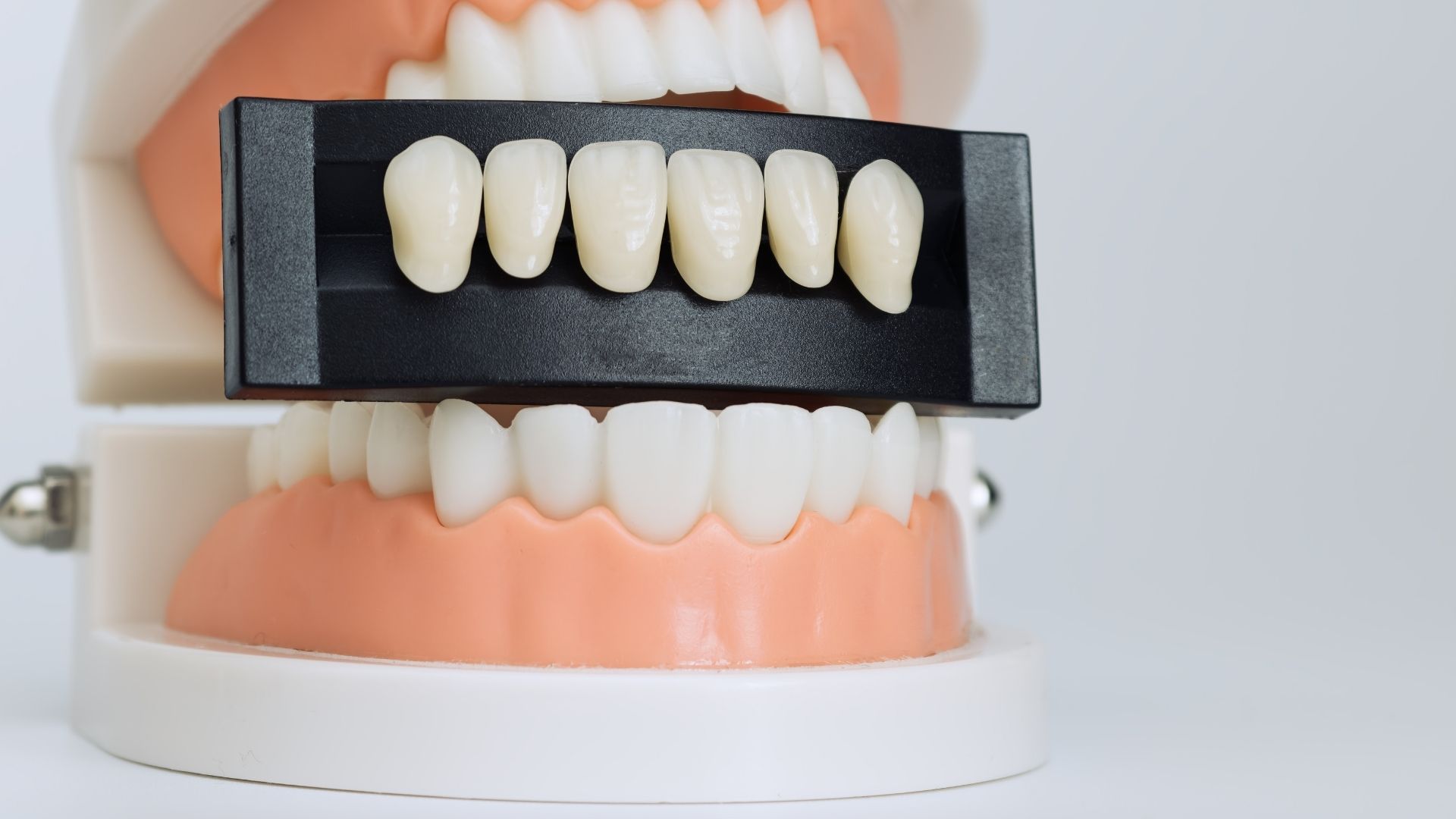
What Are Veneers?
Veneers are thin shells designed to cover the front surface of teeth, improving their color, shape, size, or alignment. They can correct a wide range of imperfections such as discoloration, chips, small gaps, or minor misalignment.
In simple terms:
- Composite veneers are made from resin material sculpted directly onto the teeth.
- Porcelain veneers are custom-made thin shells crafted in a dental lab and bonded to the tooth surface.
Both aim to give you a natural, radiant smile — the difference lies in how they are made, applied, and how long they last.
Understanding Composite Veneers
What Are Composite Veneers?
Composite veneers are made from a tooth-colored resin — similar to the material used for white dental fillings. The dentist layers and shapes this resin directly onto your teeth, hardens it with a special light, and polishes it for a natural finish.
Pros of Composite Veneers
✅ More Affordable – Composite veneers generally cost less than porcelain veneers, making them an excellent option for patients seeking a quick smile enhancement on a budget.
✅ Quick Application – In many cases, the procedure can be completed in a single appointment because the material is applied directly to the teeth.
✅ Minimally Invasive – Less enamel needs to be removed, which helps preserve more of your natural tooth structure.
✅ Easily Repairable – If a composite veneer chips or wears down, it can often be repaired rather than replaced entirely.
Cons of Composite Veneers
❌ Less Durable – Composite resin is not as strong as porcelain and may be more prone to wear, staining, or chipping over time.
❌ Shorter Lifespan – Typically lasts about 5 to 8 years before needing replacement.
❌ Color Stability – Composite veneers can become discolored from coffee, tea, or tobacco over time.
❌ Less Natural Appearance – While they still look great, they may lack the same depth, gloss, and translucency that porcelain veneers provide.
Understanding Porcelain Veneers
What Are Porcelain Veneers?
Porcelain veneers are ultra-thin ceramic shells crafted in a dental laboratory based on precise molds or digital scans of your teeth. They are then permanently bonded to the tooth surface, creating a smooth, natural, and durable finish.
Pros of Porcelain Veneers
✅ Exceptional Aesthetics – Porcelain reflects light similarly to natural enamel, giving your smile a beautiful and lifelike appearance.
✅ Long-Lasting – With proper care, porcelain veneers can last 10 to 15 years or even longer.
✅ Highly Resistant to Stains – The smooth, non-porous surface makes porcelain veneers resistant to staining from coffee, wine, or smoking.
✅ Durable and Strong – Porcelain is a much stronger material compared to composite resin, offering superior resistance to chipping and cracking.
Cons of Porcelain Veneers
❌ Higher Cost – Porcelain veneers cost more upfront than composite veneers due to lab fabrication and more complex placement.
❌ Requires Multiple Visits – The process typically takes two or more appointments — one for tooth preparation and impressions, and another for placement.
❌ Irreversible Procedure – Some enamel must be removed to make room for the veneer, making this treatment permanent.
❌ Not Easily Repairable – If a porcelain veneer chips, it often needs full replacement.
Durability and Lifespan Comparison
Durability is one of the biggest factors people consider when choosing veneers. Let’s look at how these two types perform over time.
| Feature | Composite Veneers | Porcelain Veneers |
|---|---|---|
| Average Lifespan | 5–8 years | 10–15+ years |
| Stain Resistance | Moderate | Excellent |
| Durability | May chip or wear faster | Highly resistant to damage |
| Maintenance Needs | More frequent touch-ups | Minimal maintenance |
| Replacement Cost | Low to moderate | Higher upfront, lasts longer |
In general, porcelain veneers are a longer-term investment. Composite veneers are best suited for those seeking a more budget-friendly, short-term, or reversible solution.
Aesthetics: Which Looks More Natural?
Porcelain veneers are known for their stunning, glass-like appearance that mimics natural tooth enamel. The translucency and reflection of light are nearly identical to real teeth, making them the go-to choice for a “celebrity smile.”
Composite veneers, on the other hand, still look natural but may not match the same level of brilliance and depth. However, a skilled dentist can achieve excellent aesthetic results even with composite material — especially for minor corrections.
Cost Comparison
The cost of veneers varies depending on several factors: number of teeth, complexity of the case, and your location. However, in general terms:
- Composite veneers are more affordable per tooth.
- Porcelain veneers cost more initially but last much longer, making them a better long-term value.
When comparing prices, it’s important to consider not just the initial cost but the expected lifespan and maintenance. Sometimes, paying more upfront for porcelain can be more cost-effective over time.
Maintenance and Aftercare Tips
No matter which type of veneers you choose, proper care will greatly extend their lifespan and preserve their beauty.
Maintenance Tips:
- Brush and floss daily using non-abrasive toothpaste and a soft toothbrush.
- Avoid biting hard objects such as ice, pens, or hard candy.
- Minimize stain-causing foods and drinks — coffee, tea, and wine can discolor composite veneers.
- Wear a night guard if you grind or clench your teeth.
- Schedule regular dental check-ups every six months for cleaning and evaluation.
- Avoid using teeth as tools to open packages or bottles.
Good oral hygiene and mindful habits will ensure your veneers — whether composite or porcelain — stay stunning for years to come.
Choosing Between Composite and Porcelain Veneers
Both options can create beautiful results, but your choice depends on your goals and lifestyle. Ask yourself the following questions:
- What is my budget?
- How long do I want my veneers to last?
- Am I okay with minor maintenance or touch-ups?
- Do I want a quick, single-visit treatment?
- Am I aiming for the most natural, long-lasting result possible?
If you want fast, affordable, and conservative treatment, composite veneers may be ideal.
If you’re seeking long-term beauty, durability, and the most natural aesthetics, porcelain veneers may be worth the investment.
The Procedure: What to Expect
1. Consultation and Planning
Your dentist will evaluate your teeth, gums, and smile goals. They’ll recommend the best veneer type based on your oral health and preferences.
2. Preparation
For composite veneers, minimal preparation is needed. For porcelain veneers, a thin layer of enamel is removed to ensure a perfect fit.
3. Impression or Digital Scan
If you’re getting porcelain veneers, impressions or digital scans are taken and sent to a dental laboratory.
4. Fabrication (for Porcelain Veneers)
Your veneers are custom-made by skilled technicians to match your natural teeth.
5. Bonding
The veneers are carefully bonded to your teeth using strong dental adhesive. The dentist makes small adjustments for comfort and a perfect fit.
6. Aftercare and Follow-Up
Once the veneers are placed, your dentist will check your bite, polish the veneers, and give you care instructions.
Common Misconceptions About Veneers
- “Veneers ruin your natural teeth.”: Not true — when placed by an experienced dentist, veneers actually protect your teeth and require minimal enamel removal.
- “They look fake.”: Modern materials and techniques allow veneers to look incredibly natural. Porcelain, especially, has the same translucency as enamel.
- “Only celebrities can afford veneers.”: While porcelain veneers can be costly, composite veneers are affordable for most patients and offer great cosmetic improvement.
- “Veneers need constant replacement.”: Not at all — with proper care, veneers can last for many years without issues.
Frequently Asked Questions (FAQ)
1. How long do veneers last?
Composite veneers typically last 5–8 years, while porcelain veneers can last 10–15 years or longer with proper care.
2. Can veneers stain?
Porcelain veneers are highly stain-resistant, while composite veneers can discolor over time due to food, drink, or smoking.
3. Do veneers require shaving my teeth?
Composite veneers often need little to no enamel removal. Porcelain veneers require light reshaping for an ideal fit.
4. Can veneers fix crooked teeth?
Yes, veneers can mask minor misalignments, though they are not a substitute for orthodontic treatment if major alignment is needed.
5. Do veneers hurt?
The procedure is generally painless. Some patients may feel mild sensitivity for a few days after placement.
6. Are veneers reversible?
Porcelain veneers are permanent because enamel is removed. Composite veneers may be reversible in some cases.
7. How should I clean veneers?
Brush and floss normally using a non-abrasive toothpaste. Good oral hygiene is essential for long-lasting veneers.
8. Can veneers chip?
Yes, though porcelain is highly durable. Avoid biting hard objects to prevent damage.
9. Do veneers affect eating or speaking?
No — after a brief adjustment period, eating and speaking should feel completely natural.
10. Can I replace my composite veneers with porcelain later?
Absolutely. Many patients start with composite veneers and upgrade to porcelain in the future.
Which Veneer Type Is Best for You?
Choosing between composite and porcelain veneers isn’t about which one is “better” — it’s about which suits your needs. If you’re looking for a budget-friendly, quick, and minimally invasive solution, composite veneers may be perfect. If you prefer long-lasting, stain-resistant, and premium aesthetics, porcelain veneers are the way to go.
Both can create beautiful, confident smiles when placed by a skilled dentist. The best way to decide is through a professional consultation, where your dentist evaluates your teeth, discusses your goals, and tailors a plan just for you.
Final Thoughts
Your smile is one of your most valuable assets. Whether you choose composite veneers for their affordability and convenience or porcelain veneers for their beauty and longevity, both options can enhance your confidence and overall appearance.
When properly cared for, veneers can last for many years — and the investment is one that pays back every time you smile.
If you’re ready to start your smile transformation, schedule a consultation with a trusted cosmetic dentist near you. Discover which veneer type fits your goals, and take the first step toward the radiant smile you deserve.