
At Dentistry at Waterview, we’ve spoken with hundreds of families and individuals of all ages. From baby teeth to adult orthodontics to preventive care for seniors, one thing remains constant: brushing well matters. These brushing tips are grounded in what we’ve observed, guided by dental-science, and presented in a friendly, accessible manner so you can feel confident in your daily routine.
Read more Everything You Need to Know About the Canadian Dental Care Plan (CDCP)
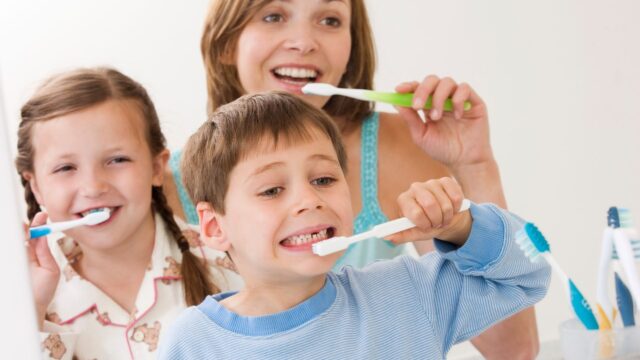
Why brushing matters
When you brush regularly and correctly, you’re removing plaque, reducing the risk of cavities (tooth decay) and gum disease, and keeping your enamel and gums healthy. The American Dental Association (ADA) recommends brushing twice a day with fluoride toothpaste for two minutes.
The Centers for Disease Control and Prevention (CDC) adds that daily brushing plus flossing and avoiding sugary drinks are key to adult oral-health. At Dentistry at Waterview we pair that guideline with personalised support for each life-stage.
Brushing Tips for Kids (Early Years – Pre-Teen)
Baby teeth set the stage for how permanent teeth grow, how the jaw develops, and your child’s speech and smile comfort. Establishing good brushing habits now helps avoid common issues later.
Routine & technique for kids
Begin brushing when the first tooth appears.
Use a soft-bristled, child-sized toothbrush that fits comfortably in the mouth.
For under-3-year-olds: use a “smear” of fluoride toothpaste the size of a grain of rice. For 3-6-year-olds: a pea-sized amount.
Brush twice a day, especially before bed, because saliva flow decreases at night and bacteria are more active.
Use the proper technique: hold the brush at a 45° angle to the gums, gently sweep outer, inner and chewing surfaces, and tilt vertically for the inner surfaces of front teeth.
Supervise brushing: many children under age 8 still need help to reach all surfaces and to spit out toothpaste rather than swallow.
Making it fun
Children engage better when brushing is a positive experience. Consider:
Using a song or 2-minute timer to signal start and finish.
Letting the child pick their toothbrush and toothpaste flavour (fluoride-containing of course).
Brushing as a family so the child sees you modelling the behaviour.
Using a sticker chart for consistency and rewarding good habits.
Common mistakes for kids
Using too much toothpaste (which can lead to fluorosis if swallowed).
Skipping the night brushing because the child is tired.
Not replacing the toothbrush when bristles are worn (approximately every 3-4 months).
Allowing frequent sugary snacks or drinks between meals, which increase plaque risk.
When to see a dentist
Even if home brushing is going well, children need professional check-ups. The ADA recommends the first dental visit by age 1 or within six months of the first tooth emerging. At Dentistry at Waterview, we welcome young patients and can assess whether your child’s brushing technique and diet are supporting healthy teeth.
Brushing Tips for Young & Adolescents
As children enter their teens, their oral-care landscape shifts: permanent teeth dominate, diets change, social activity increases, and braces or aligners may appear. Good brushing habits at this stage set the course for a lifetime.
Adjusting the routine
Continue brushing twice a day for two minutes. The frequency remains critical.
Use a brush head that fits into the mouth well and covers all surfaces.
Transition to a standard fluoride toothpaste suited to the adolescent age group.
Encourage independence, but check periodically to ensure technique remains correct.
Brushing with orthodontics (braces, aligners)
If your teen has braces or clear aligners:
Brush after meals or snacks to remove food debris around brackets or aligner attachments.
Use specially sized interdental brushes/floss threaders to clean under wires or around brackets.
Consider an electric toothbrush with built-in timer and quadrant alerts — useful for busy teens.
Emphasise that skipping brushing (especially at night) greatly increases risk of white spot lesions (early decay) and gum inflammation.
Building good habits & avoiding pitfalls
Tie brushing into established routines: e.g., after morning shower, before phone/gaming time at night.
Use a timer, your favourite playlist, or brush-along app so the two-minute target is hit.
If a snack is eaten late at night and brushing is postponed, rinse with water and postpone brushing until you can do a full session.
Limit sugary drinks, sticky snacks, and frequent nibbling; these fuel plaque growth. Ada Foundation
Avoid brushing too hard — using heavy pressure or hard bristles can damage enamel/gums. Instead, use soft bristles and gentle strokes.
Common issues in adolescence
Rushing brushing or skipping inner surfaces.
Forgetting to floss/interdental clean regularly (especially if braces are present).
Getting distracted and brushing less than two minutes.
Using whitening strips too aggressively without addressing foundation brushing technique.
For teens ready to take control of their smile or managing braces/aligners, our team at Dentistry at Waterview is ready, Schedule a teen friendly hygiene visit.
Brushing Tips for Adults
Even as an adult, brushing remains the cornerstone of oral health—but the context often changes. Gum recession, root exposure, implants, medications, and dry mouth may all play a role. Here are key adult-focused tips.
Core routine
Brush twice a day for two minutes with a soft or medium-soft bristle brush. Studies show two-minute duration is more effective than shorter brushes.
Use a fluoride toothpaste. The ADA and other associations confirm that fluoride in toothpaste significantly lowers decay risk.
Technique: 45° angle to gum line, short strokes, cover outer, inner, chewing surfaces and brush tongue.
Replace the toothbrush or electric brush head every 3-4 months, or sooner if bristles are worn.
Adult-specific considerations
If you have gum recession or exposed tooth roots, clean gently but thoroughly. The root surface is more fragile than enamel.
Dry mouth is common in adulthood (due to medications, ageing, smoking); it increases risk of decay. The CDC highlights brushing with fluoride toothpaste and drinking fluoridated water. CDC
After consuming acidic food or drink (such as citrus, soda, wine) wait about 30 minutes before brushing to avoid brushing softened enamel.
If you have implants/crowns: brushing remains essential, and you may require specialised interdental cleaners or floss picks.
Keep up with professional dental check-ups and cleanings. Brushing at home is vital, but professional maintenance catches issues early.
Common adult brushing mistakes
Brushing too soon after acidic foods, leading to enamel wear.
Applying too much pressure or using hard-bristles.
Ignoring inner surfaces, tongue and back molars.
Neglecting interdental cleaning and assuming brushing alone is sufficient.
Skipping regular dental visits because “I brush so why go?” — remember, home care plus professional care equals best outcome.
Want to update your brushing routine or need an hygiene check-up? Book your adult appointment at Dentistry at Waterview.
4. Universal Brushing Tips (All Ages)
No matter your age, these cross-cutting brushing tips reinforce excellent care:
Use a timer or music to ensure full two minutes of brushing (about 30 seconds per mouth quadrant).
Choose the right toothbrush size and soft bristles; ensure you can reach all surfaces easily.
Don’t forget to brush your tongue, this removes bacteria and helps freshen breath.
Replace your toothbrush every 3-4 months, worn bristles are less effective at plaque removal.
Avoid sugary/acidic snacks, especially between meals; they promote plaque which brushing must then remove.
If you can’t brush immediately after a snack, rinse with water and schedule a full brushing soon after.
Use interdental cleaning (floss, picks, interdental brushes) because toothbrush bristles can’t reach between teeth.
For special needs (children, elderly, persons with limited dexterity): adapt tools (angled brushes, floss holders, caregiver assistance).
Frequently Asked Questions (FAQ)
Here are seven common questions people ask regarding brushing habits — especially across kids, teens and adults.
How long should I brush my teeth?
Aim for about two minutes each brushing session. Studies and dental-association guidance confirm this duration gives better plaque removal than shorter sessions.What’s the best technique for brushing my teeth properly?
Use a soft bristle brush, hold it at a 45° angle to the gum line, use short strokes across outer, inner and chewing surfaces. Tilt vertically for the inner surfaces of front teeth. Brush the tongue too.For kids, how much toothpaste should I use?
For children under age 3, a “smear” the size of a grain of rice; ages 3-6 use a pea-sized amount of fluoride toothpaste. Adults and older kids use regular amounts as advised.Manual toothbrush vs. electric toothbrush, which is better?
Both can achieve excellent results if used properly. The key is correct technique, adequate time, and fresh bristles. Electric brushes may help with timers and reach for some users.How often should I replace my toothbrush or brush head?
Replace every 3-4 months or sooner if the bristles are frayed or splayed. Worn bristles clean less effectively.Is it bad if I skip brushing at night sometimes?
Skipping night brushing increases your risk because saliva flow decreases during sleep and bacteria can act more freely. A consistent twice-daily routine is important.I brush twice a day, but still get cavities, what might be wrong?
There are several possibilities:Your brushing technique may miss surfaces (inner, back, tongue).
Your brushing time may be too short or bristles worn.
You may neglect interdental cleaning (flossing).
Your diet may include frequent sugary/acidic snacks.
You may have underlying factors like dry mouth, gum recession, or orthodontic appliances.
A visit to a dentist (such as Dentistry at Waterview) can help identify and fix underlying issues