
If you’re wearing braces (or helping someone who is), proper care matters. In this comprehensive guide, you’ll discover 15 actionable tips to maintain your braces professionally and confidently and achieve the best results while keeping your oral health strong.
Whether you’re a teen, adult, or assisting a younger family member, the information here draws on expert sources and real-world orthodontic experience to help you navigate your braces journey with clarity and ease.
Read more Composite Veneers vs. Porcelain Veneers: Pros, Cons & Durability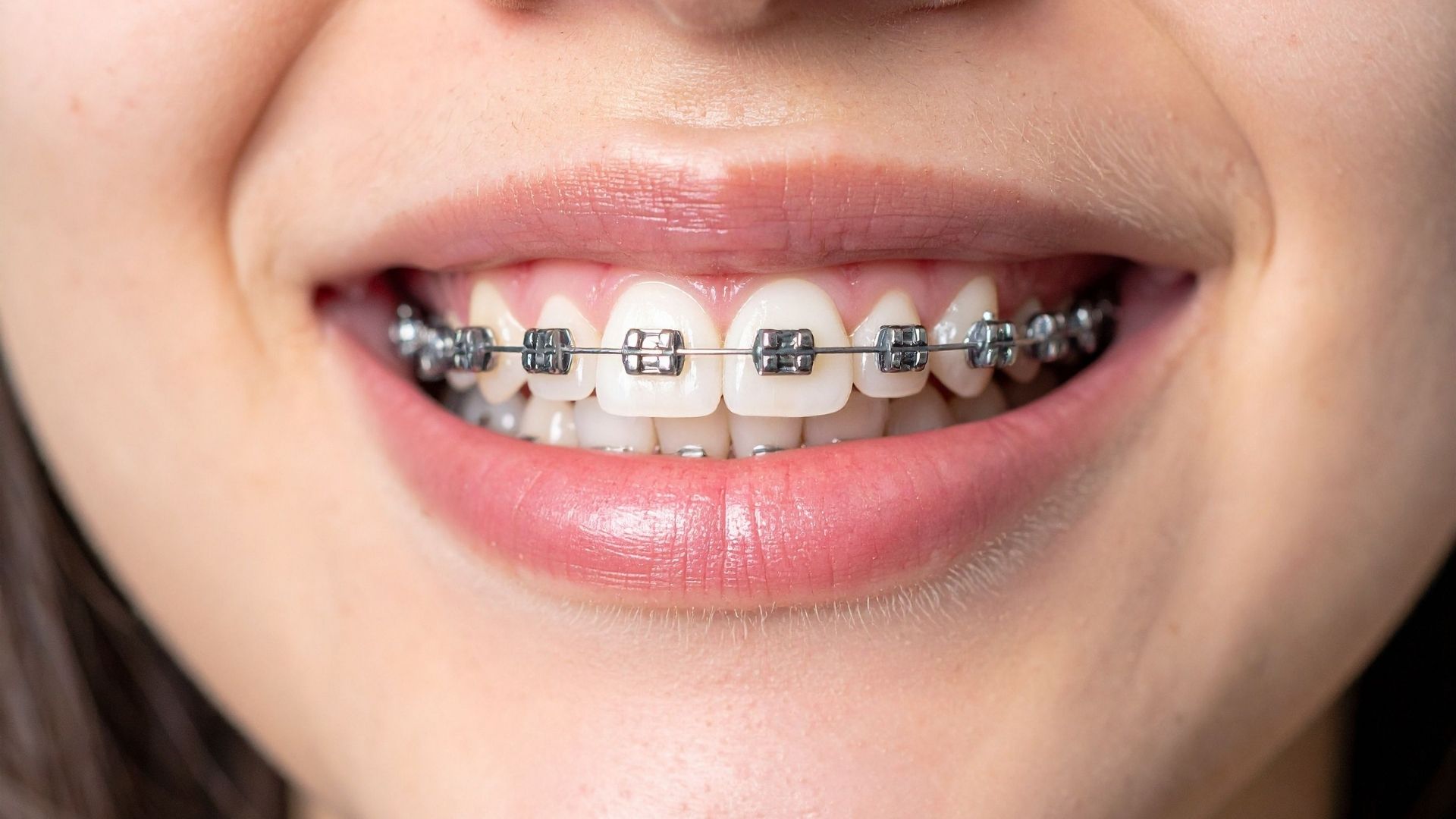
Why proper braces care matters
Wearing braces isn’t just about having brackets and wires on your teeth it’s about an entire journey of alignment, oral health and life-style adjustments. Poor maintenance can lead to delays in treatment, unwanted tooth decay or staining, broken brackets, and discomfort. According to orthodontic sources, neglecting hygiene or button-up routines can compromise the outcome of your braces.
Good maintenance, on the other hand, keeps your treatment on track, helps you avoid avoidable visits or repairs, and supports a healthier, more confident smile once the braces are removed.
15 Tips to Maintain Your Braces
1. Brush thoroughly after every meal
When you wear braces, brushing becomes even more important because food particles and plaque can easily get trapped around brackets and wires. One orthodontic source recommends brushing after every meal rather than just twice a day. Use a soft-bristle toothbrush, angle it at about 45° to the gum line, and brush above and below the wire. This will reduce risk of tooth decay, white spots, and gum problems.
2. Floss / use interdental cleaning aids daily
Brushing alone doesn’t reach all the nooks between teeth and around braces. Use floss threaders or interdental brushes to clean between brackets and wires. This prevents plaque build-up and gum irritation. Treat this as just as important as brushing.
3. Use specialized tools for braces
You might consider using tools designed for braces, such as orthodontic toothbrushes, water-flossers or interdental brushes. One guide recommends these to help clear debris from around brackets and wires more effectively. These tools can make your routine easier and more effective.
4. Avoid hard, sticky, chewy and crunchy foods
Many braces-related problems arise from eating foods that damage wires, loosen brackets or are hard to clean. Experts advise avoiding items like popcorn, nuts, ice, raw carrots, whole apples, caramel, chewing gum, and sticky candy. Instead, opt for softer foods, cut harder items into small pieces, and chew using back teeth where possible.
5. Mind your diet: sugar, acidity & frequency matter
Beyond the mechanical risk of food, your diet affects oral health. Sugary or acidic foods and drinks can lead to enamel demineralisation around brackets, increasing risk of decay. One resource emphasises this for brace-wearers. Eating three balanced meals and limiting snacks can help maintain a healthy oral environment.
6. Attend all scheduled adjustment appointments
Braces treatment involves regular adjustments so that tooth movement remains on track. Skipping appointments or letting issues linger can delay treatment. One orthodontic FAQ emphasises the importance of regular check-ups every 4-6 weeks. Be proactive: if a wire is loose or a bracket broken, contact your orthodontist or dentist promptly.
7. Wear elastics, rubber bands or other auxiliary devices as directed
If your braces include rubber bands, springs or other accessories, these are often critical to correcting bite or alignment. According to expert advice, skipping them can extend treatment time. Follow what your orthodontist or dentist prescribes — set reminders if you need to wear bands at specific times.
8. Use orthodontic wax to relieve irritation
Brackets and wires may rub against the inside of your cheeks or lips, especially early in treatment or after adjustments. Applying orthodontic wax can create a smooth barrier and relieve discomfort. Clean the area, place a small piece of wax over the offending bracket, and replace after brushing or eating.
9. Protect your braces during sports or physical activity
If you play contact sports or vigorous physical activity, a protective mouth-guard is strongly recommended. Some braces patients use specially designed orthodontic mouth-guards that accommodate brackets and wires. Ask your dentist or orthodontist for a suitable guard, better to be safe than repair damage later.
10. Avoid habits that harm your braces
Chewing on nails, pens, pencils, or other hard objects may seem harmless but can bend wires or pop off brackets. One source explicitly lists “chewing on pens/pencils” as a cause of damage. Be mindful of unconscious habits and replace them with safer alternatives.
11. Monitor for broken wires or loose brackets and act quickly
If a wire pokes out, a bracket loosens or you feel persistent discomfort, don’t ignore it. Left unchecked, it may slow your alignment progress or lead to injury. Some care guides emphasise paying attention and seeking prompt help. Until your appointment, you can cover a protruding wire with wax or cotton to reduce irritation.
12. Maintain your general dental health alongside braces
Braces focus on alignment — but your teeth, gums and overall oral health still require full care. Continue visits for cleanings, check-ups and address any cavities or gum issues. One FAQ highlights that while wearing braces, regular dentist visits become even more important. At Dentistry at Waterview, we emphasise this coordinated care: braces plus overall dental hygiene combine for best outcomes.
13. Be patient and consistent, alignment takes time
It’s tempting to expect fast results, but realignment via braces is gradual. Treatment time depends on case complexity, age, type of braces, and patient compliance. One orthodontic article explains that patience and following advice determine success. Consistent daily care, attending adjustment visits and avoiding damage all shorten treatment length.
14. Plan for post-braces care (retainers, maintenance)
Getting braces off is not the last step. After braces, you’ll likely move into a retainer phase to keep your aligned teeth in place. Some resources on oral hygiene and orthodontics emphasise the importance of retention. Ask your dentist or orthodontist about retention strategy (wearing schedule, cleaning, follow-ups).
15. Communicate openly with your orthodontist/dentist
If you experience pain, discomfort, broken appliances, or you’re unsure about a cleaning technique — reach out. Your dental professional is there to guide you, answer questions and adjust the plan. Many FAQs emphasise this point. Better communication means fewer surprises, smoother treatment and a better final outcome.
How to Make These Tips Work for You
-
Develop a daily routine: schedule brushing after each meal, set aside time for flossing/interdental cleaning, and check your braces in the mirror weekly for any issues.
-
Keep a small braces-care kit on hand: a soft toothbrush, interdental brushes/threaders, orthodontic wax, a travel mirror, and perhaps a small container for broken wires or brackets until you can see your dentist.
-
Set reminders: use your phone, calendar or note-taking app for rubber band usage, adjustment appointments or replacement of tools.
-
Track progress: take periodic photos of your smile (with consent and safe lighting) to see subtle changes. This reinforces your motivation and helps you spot issues early.
-
Stay proactive: if you feel something’s off — a loose bracket, extra pain, wires digging in — contact your clinic rather than hoping it resolves on its own. Minor issues left unaddressed often become bigger.
-
Focus on the outcome: maintaining your braces well doesn’t just benefit today — it helps you achieve the aligned, healthy smile you’re working toward. Keep the goal in mind.
Final Thoughts
Maintaining your braces may feel like extra work, but the payoff is significant: a healthier mouth, a beautifully aligned smile, and fewer surprises along the way. By following these 15 practical tips, brushing and flossing diligently, managing your diet, wearing your elastics, protecting your appliances, and staying in touch with your dental team, you’re setting yourself up for success.
If you’re located in Grimsby, Ontario Canada or nearby and ready to take the next step in your braces journey, don’t hesitate and book your appointment with Dentistry at Waterview today. Together, we’ll ensure your braces treatment is smooth, effective and aligned with your goals.
Frequently Asked Questions About Braces Maintenance
1. How often should I brush when I wear braces?
You should aim to brush after every meal (ideally 3 times or more per day), using a soft-bristle brush and cleaning above and below the wires. This helps remove trapped food and plaque that could slow your progress.
2. Can I still eat popcorn, ice, nuts or sticky candy with braces?
It’s best to avoid hard/crunchy foods (like popcorn, ice, nuts) and sticky/chewy foods (like caramel, gum, soft candy). These items can damage brackets or wires and make cleaning harder. If you do eat harder foods, cut them into small pieces and chew with your back teeth.
3. What happens if a bracket comes loose or a wire pokes out?
If a bracket breaks loose or a wire sticks out, contact your orthodontist or dentist quickly. In the meantime, you can cover a protruding wire with orthodontic wax or cotton to avoid irritation. Ignoring it may delay treatment or cause unintended movement.
4. Do I still need to see my dentist regularly while wearing braces?
Yes — maintaining overall dental health is crucial during braces treatment. Regular cleanings, check-ups and monitoring for cavities or gum disease matter just as much as the orthodontic adjustments.
5. How long will I need to wear braces before I see results?
Results vary based on your specific alignment needs, age, braces type and whether you follow your care routine. Many people wear braces for 12–24 months, and regular adjustments every 4–6 weeks are typical.
6. What tools should I use for cleaning my braces effectively?
Useful tools include: a soft-bristle toothbrush, interdental brushes, floss threaders, possibly an oral irrigator (water flosser), and orthodontic wax for comfort. These tools help maintain hygiene around brackets and wires.
7. After my braces are removed, what should I do next?
Once your braces come off, you’ll likely move into a retainer or retention phase to keep your teeth aligned. It’s essential to follow wear-time instructions, maintain hygiene, and continue regular dental visits. This helps preserve your newly straightened smile.